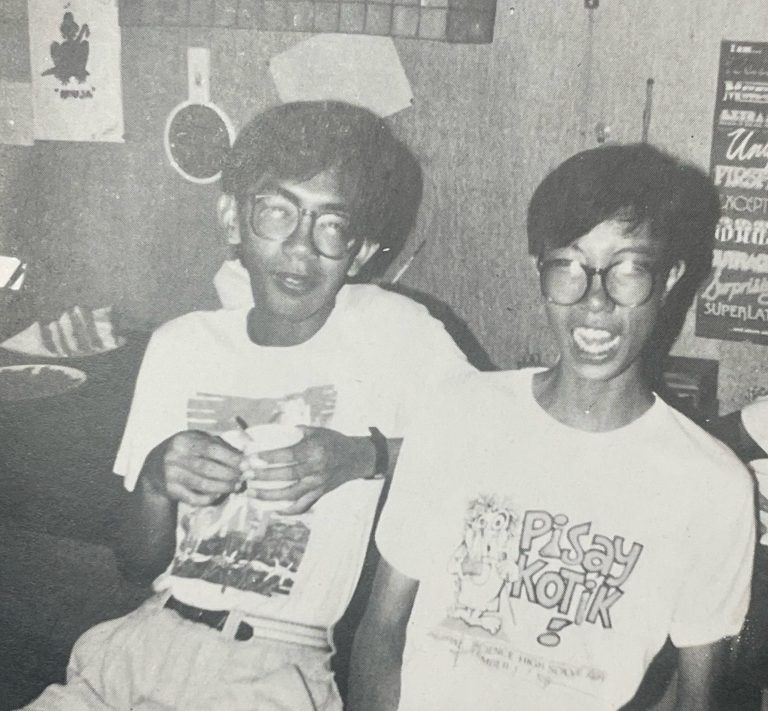
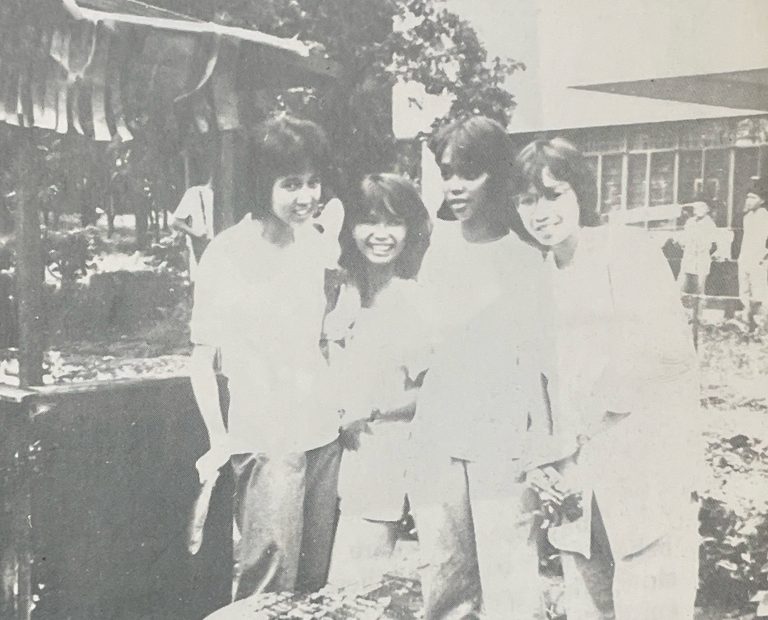
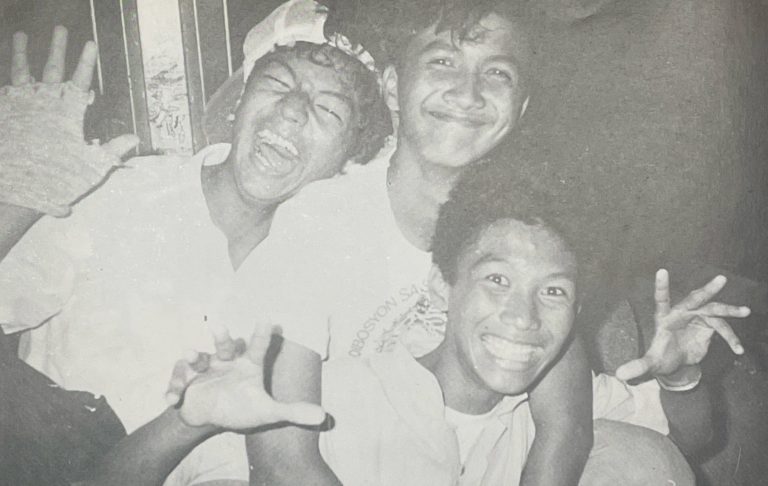
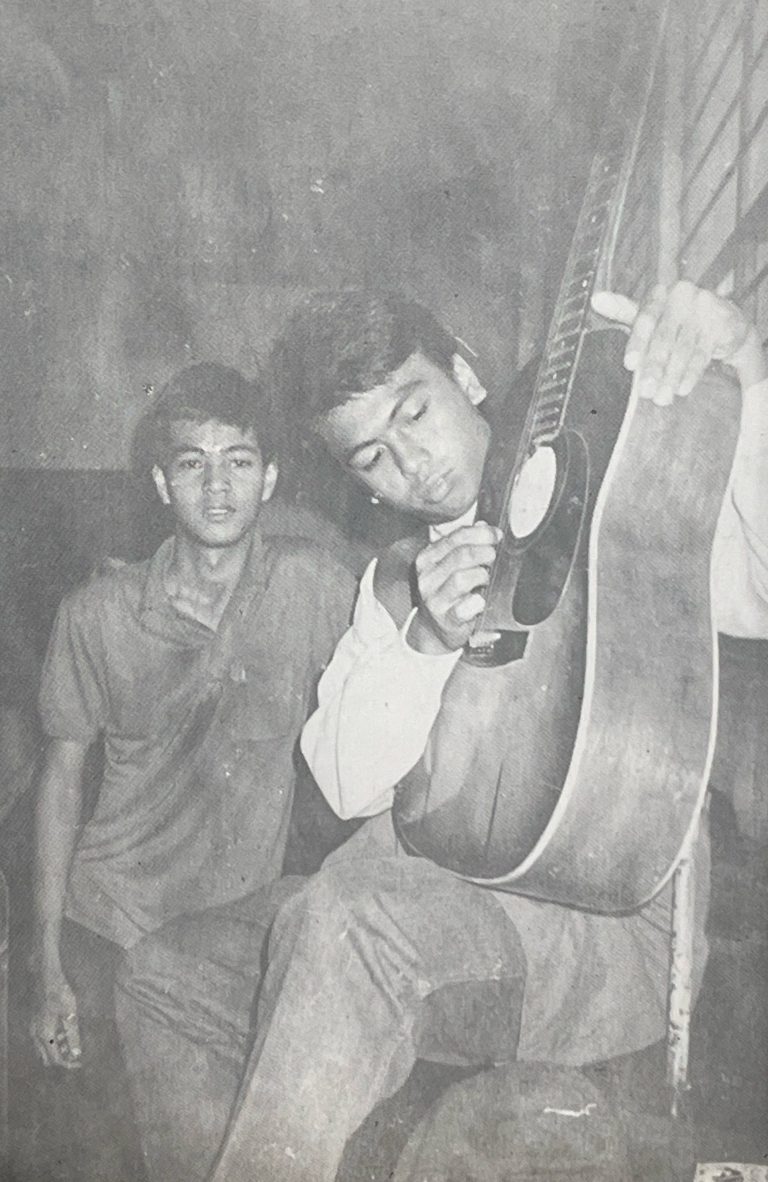
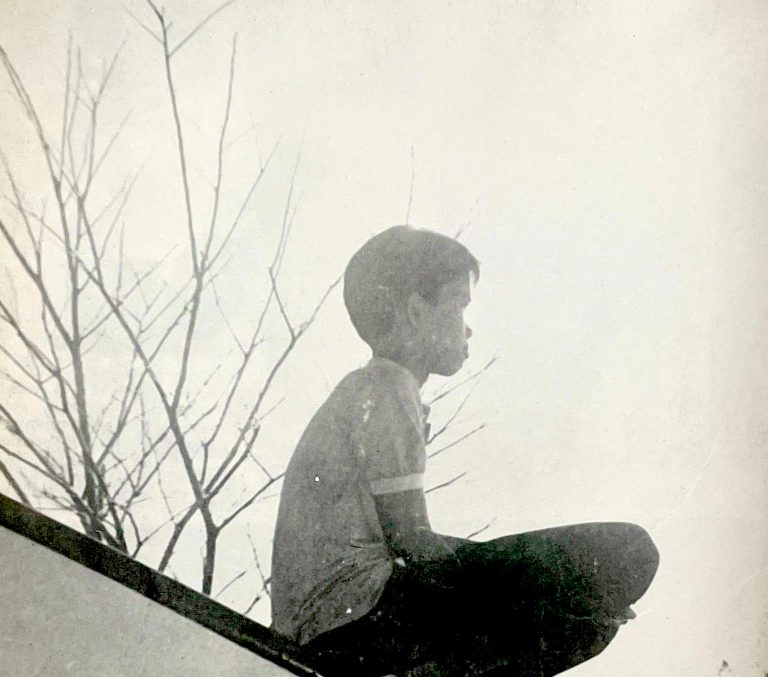
They need to be understood. Most of all, they need to understand. The world can never be what they had imagined it to be, what it ought to be. They necessarily look back, searching for some point of reference in the past – that sense of equilibrium which comes with a childlike view of nature, humanity, and society, in general; a basic sense of good and bad, an instinctive sense of that which hurts, which estranges. Complexities however arise – confused, new emotions brought about by the demands of work, rules, relationships, time and growth. They are to feel differently and to react differently. The time is to describe change.
They become aware of their own limitations. They realize the necessity of conviction in all that they believe in — be it that these have changed. They grasp for some hold on time — as it is too fast or perhaps too slow. They seek the security they will require in the future they foresee. They explore each and every new emotion, fearful and yet expectant of what it is, what it could be, and how it could affect their lives. Their relationships take on new forms – demanding some sense of permanence. Most of all, they greatly sense the enormosity of the void ahead of them — that which is their future, their lives. And the first step towards it comes from answering the question: Am I ready to give up what I must? The thought of leaving, of assuming new, different roles, the challenge of a goal they instinctively sense, must now fill their thoughts. Yet as they strive to understand that which they seek, they ren ain whole, as they have, in the time spent together, identified their singular places in the company of their peers, their elders. That they have recognized their unique individuality is a major step in itself. This now has to carry them through.