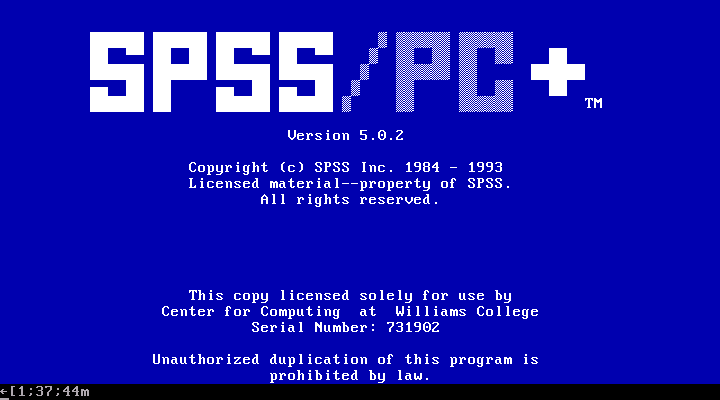
SPSS in the Philippines: Over 50 years of Continuous Relevance

Statistical analysis has been a cornerstone of research and decision-making across various disciplines. The 1970s marked a turning point for social sciences, as the increasing availability of computers allowed researchers to analyze data in ways that were previously impossible. At the heart of this transformation was SPSS (Statistical Package for the Social Sciences), a software tool that enabled social scientists to perform complex statistical analyses without needing advanced programming skills. Such was the influence of SPSS that the original SPSS manual (Nie, Bent & Hull, 1970) is considered one of “sociology’s most influential books.” SPSS is one of a rare breed of software that has been used, maintained, and continuously updated for over fifty years. From its early days on mainframe computers to its modern AI-powered versions under IBM, SPSS has played a crucial role in shaping the methods and scope of social science research. A personal account of SPSS in the Philippines in the 1970s The 1970s was a transformative era for data analysis. Computing technology was advancing, yet many processes remained cumbersome and required extensive manual intervention. Marcelo Robosa, Chairman of EACOMM Corporation, recalls his first encounter with SPSS in the Philippines in 1977 while working at the Institute of Labor and Manpower Studies (ILMS) under the Department of Labor. At that time, data entry was a labor-intensive task. “I got involved in the manual editing of data using pencil and paper,” Robosa shares. The data was then transferred onto punch cards using the Hollerith system, a method widely used in early computing. These punch cards were processed using mainframe computers, an experience that was vastly different from today’s real-time statistical analysis. Processing SPSS on Mainframe Computers In the late 1970s, ILMS utilized block time accounts at major computer facilities, such as the MERALCO computer facility on Ortigas Avenue. This facility housed an IBM System/360 mainframe, a behemoth of a machine that required careful environmental control, including a cold room to prevent overheating. “There was a window for receiving processing requests. We submitted a box of punch cards, and then we had to wait for the results,” Robosa recalls. The turnaround time for processing depended on the queue and could take hours or even overnight. This starkly contrasts with modern SPSS versions, where results are generated instantaneously. Errors in processing required meticulous correction. Once results were received in printed form, any inaccuracies meant locating the erroneous punch card, manually editing it, and resubmitting the batch. “To print a correct card, I had to learn how to use the punch card machine,” Robosa notes, underscoring the technical skills required at the time. Given the high demand for computing resources, ILMS later established an additional block time account at the Technology Resource Center (TRC) on Buendia Avenue, Makati. This facility used the UNIVAC 1100, another mainframe system capable of processing SPSS data. Having access to multiple computing centers helped mitigate delays caused by high user traffic. Unlike the MERALCO facility, TRC allowed users direct access to a console for editing and correction, which significantly reduced turnaround time. However, the core functions of SPSS—data definition, task execution, and data processing—remained consistent across platforms. The key difference lay in the Job Control Language (JCL) used to interact with the system. For non-programmers like Robosa, learning JCL was a challenge, but he overcame it with the help of peers he met while waiting for processing jobs. SPSS in the 1980s: Expansion and Graphical Interfaces Technological Advancements The early 1980s marked a shift from mainframe-based batch processing to more interactive computing. SPSS-X, introduced in 1983, was a significant update that allowed users to process datasets with multiple record types, a key feature that improved flexibility for researchers handling complex datasets. During this period, computers were still primarily used in universities, government agencies, and large corporations. SPSS remained a command-driven software, requiring users to input syntax commands to run statistical analyses. While this approach was effective, it limited the software’s usability to those with advanced technical knowledge. The Rise of Personal Computers and SPSS for Windows The introduction of personal computers (PCs) in the mid-1980s revolutionized how statistical analysis was performed. As PCs became more affordable and accessible, software developers began adapting programs for individual use. Recognizing this shift, SPSS Inc. started developing versions that could run on standalone computers rather than requiring access to costly mainframe systems. By 1989, SPSS introduced its first version compatible with Microsoft Windows, allowing users to run analyses on PCs without needing specialized mainframe access. This marked the beginning of SPSS’s transition to a more user-friendly interface, paving the way for broader adoption among non-specialist users. SPSS in the 1990s: The Rise of the Graphical User Interface (GUI) and Business Analytics The Introduction of SPSS with a Graphical Interface The biggest change in SPSS during the 1990s was the introduction of a graphical user interface (GUI). Before this, users had to rely on command-line syntax, which required technical expertise. With the introduction of a point-and-click interface in the early 1990s, SPSS became accessible to a much wider audience, including students, researchers, and business analysts who lacked programming skills. By SPSS 6.1 (1995), the software had a fully developed GUI that allowed users to conduct complex statistical analyses through a menu-driven system. This eliminated the need for extensive knowledge of command syntax, making SPSS significantly easier to use. Key Features Introduced in the 1990s The Lasting Impact of SPSS in the Philippines from the 1980s and 1990s By the end of the 1990s, SPSS had firmly established itself as one of the most widely used statistical software programs across academia, government, and the private sector. SPSS Made Statistical Analysis More Accessible Before SPSS, advanced statistical analysis was limited to specialists with programming expertise. The introduction of GUIs in the 1990s made statistical tools accessible to students, business professionals, and policymakers, enabling more people to apply data-driven insights in their work. SPSS Helped Establish Predictive Analytics in Business The widespread adoption of SPSS in the 1990s played a crucial role in the development of
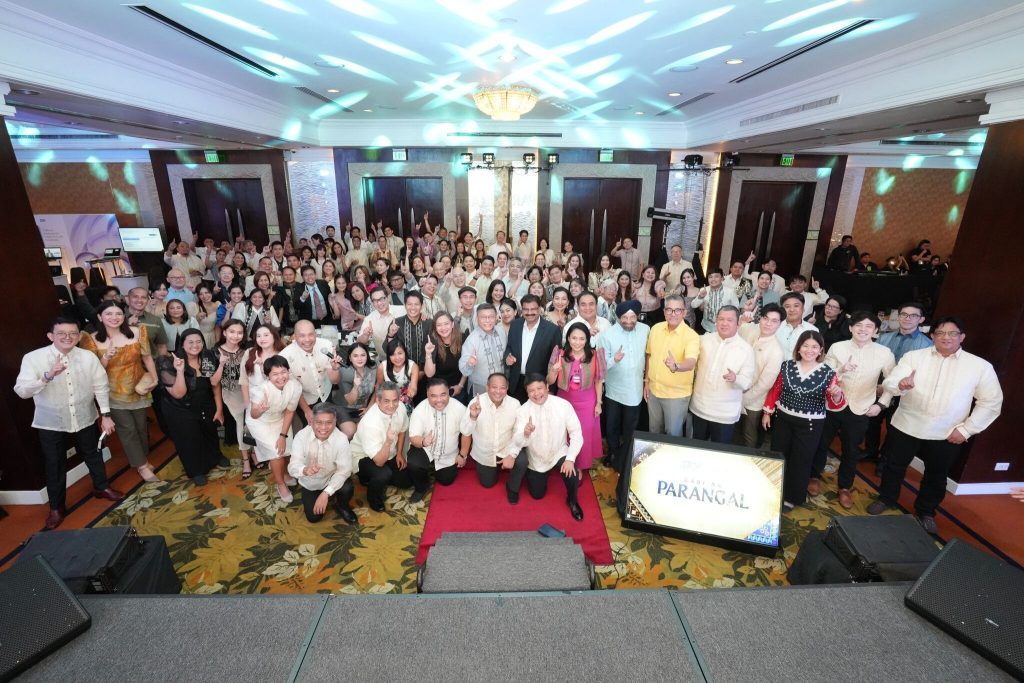
EACOMM named IBM Philippines Rookie Partner of the Year for 2024

EACOMM Corporation is proud to be named the IBM Philippines Rookie Partner of the Year for 2024, a recognition that underscores our commitment to delivering cutting-edge technology solutions to enterprises across industries. For over two decades, EACOMM has been at the forefront of custom software development in the Philippines, helping businesses streamline operations, enhance efficiency, and drive digital transformation. This award marks a significant milestone as we expand our expertise to include IBM Enterprise Software Solutions, further strengthening our ability to provide world-class technology to local organizations. Expanding Innovation with IBM Enterprise Software Solutions The recognition as IBM Philippines Partner Rookie of the Year highlights our ongoing commitment to innovation. By integrating IBM’s enterprise-grade technologies into our offerings, we can help businesses harness the power of AI, cloud computing, data analytics, and automation to optimize workflows, improve decision-making, and gain a competitive edge. With IBM’s robust solutions and EACOMM’s industry expertise, we are well-positioned to support organizations in navigating the complexities of digital transformation. Whether it’s implementing intelligent automation, enhancing cybersecurity, or leveraging advanced data analytics, we are committed to delivering tailored solutions that drive measurable business impact. Below are just some of the IBM software EACOMM is offering: Partner with EACOMM Corporation today to maximize the use of Information Technology for your business. Contact us to learn how our expertise, combined with IBM’s industry-leading solutions, can accelerate your digital transformation journey. Reach out to our team at EACOMM Corporation and let’s build the future together.
Introducing MaaS360, an Ideal MDM for Philippine Companies

As businesses across the globe continue to embrace mobile technology, the need for a robust Mobile Device Management (MDM) solution has never been more crucial. One such solution is IBM MaaS360, which provides organizations with the tools they need to secure, manage, and monitor their mobile devices and apps. With MaaS360, Philippine companies can easily navigate the complexities of mobile device management through its array of features that can simplify their operations while enhancing security and productivity. What is MaaS360? IBM MaaS360 is a comprehensive MDM solution designed to help businesses control and secure their mobile environments. It provides businesses with centralized management of mobile devices, applications, and content across multiple platforms, including iOS, Android, and Windows devices. MaaS360 also enables secure collaboration and compliance management for organizations of all sizes. Key Features of MaaS360 Why MaaS360 Is Essential for Philippine Companies As the Philippines continues to experience rapid digital transformation, organizations are increasingly adopting mobile-first strategies to stay competitive. MaaS360 offers the perfect solution for managing the diverse range of mobile devices and applications in use today. Here are several reasons why it is a must-have for Philippine companies: EACOMM: MaaS360 Philippines Reseller As an IBM Silver Partner since 2023, EACOMM is offering MaaS360 to Philippine Companies and Government Agencies along with IBM’s other software products. MaaS360 is the perfect choice for an enterprise-grade Mobile Device Manager for the Philippines. For more information or to schedule a presentation on MaaS360 and other IBM Software Products, email us at: sales@eacomm.com, give us a call at 02 7217 0372, or click the button below.
Preview EACOMM’s latest offerings at the NICT Summit 2024

EACOMM Corporation is excited to announce its participation as a Gold Sponsor at the NICT Summit 2024 to be held at the Crowne Plaza Manila Galleria. This prestigious event, organized by the CIO Forum, CIO Forum Foundation, Department of ICT, and CIO Academy Asia, will be held as part of the month-long celebration of National ICT Month (NICTM) 2024. The Summit, themed “Digital Governance: Navigating the Future,” aims to foster innovation and empowerment in the ICT sector, aligning with the broader NICTM 2024 theme “Bayang Digital Bagong Pilipinas.” EACOMM’s Innovations on Display At the Summit, EACOMM will showcase a range of cutting-edge solutions designed to drive digital transformation across various sectors. Our exhibit will feature: PRISM Responder: AI-Powered Incident and Hazard Reporting App PRISM Responder is an advanced AI-powered application that revolutionizes incident and hazard reporting. It leverages artificial intelligence to streamline the reporting process, ensuring accurate and timely information dissemination during emergencies. This innovative tool enhances public safety by enabling quick response times and efficient resource allocation. Elisha Insights: Customer Service AI-Powered Analytics System Elisha Insights is a powerful analytics system that utilizes AI to transform customer service operations. By analyzing vast amounts of data, it provides actionable insights that help businesses improve customer satisfaction and operational efficiency. This system is designed to understand customer needs better and predict trends, allowing for proactive service improvements. CiViS: E-Governance Suite of Software Applications CiViS is EACOMM’s comprehensive suite of e-governance applications, aimed at modernizing government operations and services. This suite includes modules for digital records management, citizen engagement, and workflow automation, all designed to enhance transparency, efficiency, and accessibility in government processes. IBM Watsonx AI Products EACOMM will also present IBM Watsonx AI products, showcasing how these advanced AI solutions can be integrated into various business and government applications to drive innovation and efficiency. These products are designed to provide robust AI capabilities, from natural language processing to machine learning, empowering organizations to harness the full potential of AI. About the NICT Summit 2024 The National ICT Summit 2024, a flagship event of NICTM 2024, brings together key stakeholders from the government and private sectors to discuss and showcase the latest ICT strategies and innovations. The Summit’s theme, “Digital Governance: Navigating the Future,” emphasizes the importance of strategic ICT planning and collaboration to drive the nation’s digital transformation. Key Highlights of the Summit EACOMM’s Commitment to Digital Transformation As a leading custom software development studio, EACOMM is dedicated to advancing digital transformation through innovative solutions. Our participation in the NICT Summit 2024 underscores our commitment to supporting the government’s vision of a digitally empowered Philippines. We believe that our cutting-edge products will significantly contribute to the ongoing efforts to modernize and improve governance and public services. Join us at the NICT Summit 2024 to explore these innovations and discuss how we can work together to navigate the future of digital governance. For more information about our products and services, visit our exhibit or contact us directly. We look forward to engaging with fellow ICT professionals and stakeholders at the Summit and contributing to the dialogue on the future of digital governance in the Philippines. See you there!
EACOMM Corporation is now an IBM Silver Partner

As a partner, EACOMM will be tapping IBM’s decades of experience and market leadership in Enterprise Artificial Intelligence, Machine Learning, and Data Analytics to complement and enhance its custom software development and knowledge services.